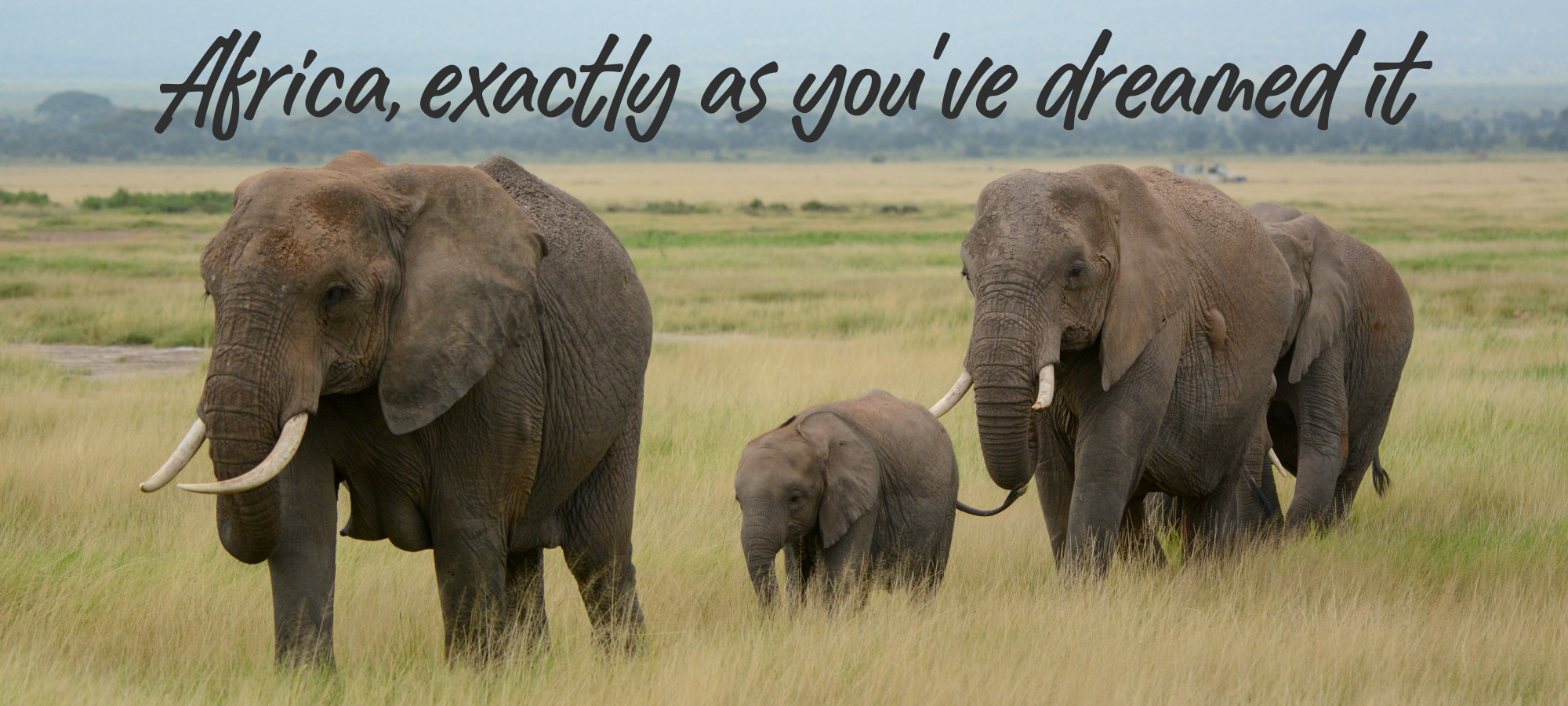

Experience the diverse landcapes, wildlife & culture.
Safari info:
- Starts and ends in Luanda
- Duration: 11 days
- Accommodation type: Comfortable / mid-range
- This tour can be booked as a private guided safari
- Next group departure date: TBC
Angola, located in the heart of southwest Africa, is a country of extraordinary beauty, blending diverse landscapes, vibrant culture, and abundant wildlife. Bordered by Namibia, Zambia, the Democratic Republic of the Congo, and the Atlantic Ocean, Angola is a land of contrasts, where lush rainforests thrive alongside vast deserts, and towering waterfalls cascade into tranquil rivers. Its national parks are teeming with unique wildlife, while its rich cultural heritage, shaped by various ethnic groups, offers a deeper connection to the land.
Angola’s capital, Luanda, embodies a fascinating blend of its Portuguese colonial legacy and dynamic modernization. Portuguese remains the official language, while the country’s culture thrives on a vibrant mix of indigenous traditions, lively music, and flavourful cuisine. Though Angola’s past is marked by struggles for independence and the scars of a civil war (1975–2002), the nation is now in a phase of rebuilding, with tourism playing a growing role in its economic revival.
For nature enthusiasts, Angola offers exceptional destinations like Iona National Park, home to iconic wildlife such as Elephants, Giraffes, and the elusive Giant Sable Antelope. The majestic Kalandula Falls, one of the largest in Africa, adds to the country’s natural wonders, while the Namibe Desert’s ancient Welwitschia plants offer a glimpse into the world’s most unique ecosystems.
Angola’s raw, unspoiled landscapes, deep cultural heritage, and warm, welcoming people create an unparalleled adventure. For those seeking authentic, off-the-beaten-path experiences, Angola is an emerging destination that promises to leave a lasting impression.


Why this tour – Trip highlights:
Iona National Park: Angola’s largest and oldest national park is a vast and awe-inspiring wilderness situated in the country’s southwest, bordering Namibia’s desolate yet captivating Skeleton Coast.
Namibe area: Part of the expansive Namib Desert, which extends into Namibia, is home to the remarkable Welwitschia Mirabilis, a plant known for its extraordinary lifespan, living for over a thousand years. The desert’s striking red dunes and jagged rocky outcrops form a surreal, otherworldly landscape, where the harsh beauty of the environment creates a sense of timelessness.
Tigres Island: Located off Angola’s coast, this is a secluded paradise known for its pristine beaches, rich marine life, and peaceful atmosphere.
Ovahakaona community: This community in Angola is known for its pastoral lifestyle, vibrant beadwork, and rich cultural traditions, offering a glimpse into the region’s heritage.
Top Mammals:
Giraffe, Rock Hyrax, Greater Kudu, Duiker, Hippopotamus
Top Birds:
Hartlaub’s Spurfowl, Bare-cheeked Babbler, Ruppell’s Parrot, White-tailed Shrike, Carp’s Tit,
Monteiro’s Hornbill, Cinderella Waxbill, Benguela Long-billed Lark, Ruppell’s Korhaan, Greater Kestrel, Giant Kingfisher, Angola Cave Chat


Itinerary summary
| Day 1 | Arrival in Luanda |
| Day 2 | Flight to Lubango |
| Day 3 | Namibe |
| Day 4 | Tombua |
| Day 5 | Tigres Island |
| Day 6 | Cunene River area |
| Day 7 | Elola |
| Day 8 | Oncocua |
| Day 9 | Himba Village visits |
| Day 10 | Onwards to Lubango and flight to Luanda |
| Day 11 | Departure |

Day to Day Itinerary
DAY 1: Arrival in Luanda
Upon arrival in Luanda, you meet the guide and set off on a city tour exploring itsrich history, culture, and coastal beauty. Luanda boasts Portuguese colonial architecture, vibrant markets, and scenic Atlantic views and is also the capital city. Highlights include the Fortress of São Miguel,a 16th-century stronghold offering panoramic city and harbour views, and the Museum of the Armed Forces, which chronicles Angola’s colonial past and fight for independence.
The day’s itinerary includes a visit to Marginal de Luanda, a scenic waterfront promenade lined with palm trees, cafés, and modern skyscrapers. Explore the Iron Palace (Palácio de Ferro), an architectural gem attributed to Gustave Eiffel, known for its intricate ironwork and mysterious origins. Cidade Alta, one of Luanda’s most historic districts, offers colonial architecture, government buildings, and breathtaking views over the city and ocean.
After lunch in the city, the rest of the afternoon will be free for relaxation at the hotel.
DAY 2: Flight to Lubango
After a leisurely breakfast, transfer to Luanda Airport for the flight to Lubango.
Known for its stunning landscapes, temperate climate, and colonial heritage, Lubango is one of Angola’s most picturesque cities. Situated in the Huíla Province at 1,760 meters (5,774 feet) above sea level, it offers a refreshing escape from the coastal heat.
Lubango is rich in history, originally founded as Sá da Bandeira by Portuguese settlers in the late 19th century. Colonial-era landmarks, including the Nossa Senhora do Monte Church, remain, while the towering Cristo Rei statue overlooks the city, symbolizing its cultural and religious significance.
Upon arrival, meet your guide for the transfer to your hotel. Enjoy a group dinner before a restful night’s sleep.
DAY 3: Namibe
After breakfast, we depart for Namibe. The drive from Lubango to Namibe is a stunning journey through mountain landscapes, deep gorges, and desert vistas.
On the way, we stop at the Cristo Rei Statue, one of Lubango’s most iconic landmarks. Perched at 2,100 meters (6,890 feet) above sea level, it offers panoramic views of the city and surrounding mountains. Continue westward, passing through Humpata, a historic village where South African Dorsland Boers once settled. Humpata was crucial in Portuguese colonial expansion and the migration of Boer settlers in the late 19th century.
At the top of the escarpment, visit the viewpoint overlooking the Leba Mountain pass before descending the same route. Once at the bottom, continue into the Namibe desert, where the change in vegetation becomes noticeable, leading to the coastal area with minimal plant life. (The drive from Cristo Rei to Namibe takes about 3 hours.)
Continue through Namibe towards a beachfront restaurant for lunch. Originally inhabited by Khoisan peoples, followed by Bantu-speaking groups like the Mucubal and Himba, the area saw Portuguese explorers in the 15th century, with settlement beginning in the 19th century. The city, once called Moçâmedes, was renamed Namibe in 1985 after the nearby Namib Desert.
After some exploration, head to the hotel to check in and freshen up before enjoying a meal at a beachfront restaurant.
DAY 4: Tombua
After a delightful breakfast, head south to visit the Giant Welwitschia on the way to Tombua. This ancient, unique plant, Welwitschia mirabilis, symbolizes resilience in the arid landscapes of southern Angola and is considered a national treasure. Along the way, pass by the Colinas de Curoca, a striking geographical feature known for its rolling hills, rugged terrain, and stunning desert landscapes, named after the Curoca River.
Before reaching Tombua, pass Arco, a spectacular sandstone arch and key natural landmark. Located inland, this rock formation and its surrounding landscapes offer a striking contrast to the desert. This is our lunch stop.
Afterward, we enter Iona Park at Ponto Albina and head toward the “Riscos” beach stretch, where the towering dunes meet the ocean. This dramatic landscape, with steep dunes spilling into the Atlantic, creates a surreal environment, blending desert and ocean in a stunning natural display. It’s one of the park’s most picturesque and photogenic spots.
End the day at the mobile camp, enjoying dinner under the stars and the soothing sounds of the ocean.
DAY 5: Tigres Island
After breakfast, drive along the beach towards Tigres Island. This remote island, once a thriving fishing community, is known as the “Island of Tigers” due to local folklore, despite there being no tigers. The name likely alludes to the island’s untamed character and the many legends tied to it.
Upon reaching the shore, we board a boat to cross the channel to Tigres Island, soaking in the beautiful coastal scenery. Explore the deserted settlement, a ghostly reminder of the past, before cooling off with a swim in the island’s clear waters.
Head back to camp for lunch, then enjoy a leisurely afternoon—relax at camp, climb dunes for sweeping views, or take a peaceful walk along the beach.
As night falls, gather for a delicious dinner under the stars.
DAY 6: Kunene River area.
After breakfast, while passing the second section of the rugged Riscos cliffs, where towering rock formations provide dramatic coastal views, we travel along the beach. Then, crossing rolling dunes, we head inland, before reaching the gravel plains of Iona National Park. We head toward the mouth of the Kunene River, where the freshwater meets the Atlantic in a striking display of land and sea.
We stop for lunch before continuing through the gravel fields. The night’s camp will be set up along the Kunene River, about 30 km from its mouth, providing a tranquil setting to relax beneath the expansive African sky.
DAY 7: Elola
After a delicious breakfast, we traverse the vast gravel plains to Espinheira, then head east to Villa Iona before ascending the rugged escarpment into Elola, where rocky outcrops and open vistas define the dramatic landscape.
We pause for a packed lunch amid the untamed wilderness, with chances to spot Springbok, Oryx, Ostriches, and possibly a Brown Hyena. By late afternoon, we reach our campsite near an Ovahimba village, offering insight into their semi-nomadic culture. As night falls, dinner awaits under a star-filled sky.
DAY 8: Oncucua
We journey east through southern Angola’s remote landscapes, stopping at traditional Ovahimba villages to experience their unique customs, from ochre-covered skin to intricate hairstyles, reflecting their deep connection to the land.
In the afternoon, we visit the Ovahakaona community, known for their pastoral traditions, intricate beadwork, and striking body art, offering a rare glimpse into their daily life and cultural heritage.
By late afternoon, we reach Oncocua, a remote hub for diverse ethnic groups. Camping near an Ovahakaona village offers a chance for cultural interaction before ending the day with dinner beneath the vast African sky.
DAY 9: HImba Village visits
After breakfast, we visit an Ovatwa village, gaining insight into their hunter-gatherer traditions, survival skills, and deep knowledge of the desert’s flora and fauna, passed down through generations.
After a relaxed lunch at camp, we visit Ovahakaona and Ovahimba villages, exploring their distinct cultures. The Ovahakaona share insights into cattle herding and beadwork, while the Ovahimba showcase their ochre body art and rich traditions.
Back at camp, we relax over dinner, reflecting on the day’s cultural encounters while dining beneath a starlit sky.
DAY 10: Onwards to Lubango and flight to Luanda
After an early breakfast, we journey to Cahama, stopping at an Ovadhimba village to immerse ourselves in their rich traditions and daily life. Here, you’ll have the chance to observe their unique customs. Engaging with the community offers a deeper understanding of their resilient and vibrant way of life in this remote desert landscape.
On the way to Lubango, we pass through varied terrain, showcasing Angola’s natural beauty. A stop at a market near Chibia offers a chance to interact with the Ovamwila women, renowned for their unique hairstyles, jewellery, and vibrant attire, providing a glimpse into local crafts and culture.
Upon arrival in Lubango, we’ll enjoy a leisurely lunch at a local restaurant before heading to the airport for our late afternoon flight to Luanda. In Luanda, a private transfer will take you to your hotel to relax and reflect on the day’s experiences.
DAY 11: Departure
Today, you will be transferred from your hotel to the airport for your return flight, taking with your unforgettable memories of your journey.
Calandula and surrounds 4-day extension
DAY 11: Calandula Falls
After breakfast, your guide will meet you at the hotel for an unforgettable journey to Calandula Falls in Malanje Province, home to one of Africa’s largest and most stunning waterfalls.
The scenic drive through Kwanza Norte’s lush rainforests offers a dramatic backdrop, passing through Ndalatando to glimpse local life. As you venture deeper into the Kimbundu heartland, you’ll experience the region’s rich culture, with traditional villages, markets, and warm hospitality along the way.
Upon arrival at your hotel, settle in and enjoy lunch with stunning views of Calandula Falls. The Pousada offers an uninterrupted view of the cascading waters, allowing you to marvel at the falls from your accommodation. The afternoon is yours to relax, whether on the terrace, exploring the falls up close, or simply enjoying the soothing sound of the water.
As the sun sets, enjoy a delicious dinner at the Pousada, reflecting on the day’s experiences while dining with a breathtaking view of the illuminated Calandula Falls under the starry night sky. The serene atmosphere and the gentle roar of the falls make for a truly memorable evening.
DAY 12: Cangandala Park
Today, we embark on a day trip to Cangandala National Park, home to the rare and majestic Giant Sable Antelope, found only in Angola. The park, dedicated to conservation, offers a unique chance to see these antelopes in their natural habitat. The journey through diverse landscapes, from woodlands to savannas, provides opportunities to spot native wildlife and birds. Guided by an expert, you’ll explore the park and learn about efforts to protect the Giant Sable, a national symbol of Angola.
At midday, enjoy a packed lunch amidst the park’s serene wilderness. Afterward, continue exploring the region’s unspoiled beauty. As the day ends, return to the Pousada to relax and reflect on the experience, with a delicious dinner and the soothing sound of Calandula Falls in the background.
DAY 13: Kinjila Forest
After breakfast, we drive to the Kinjila Forest, a biodiverse area perfect for birdwatching, home to the vibrant Red-crested Turaco and other endemic species. Whether you’re a birdwatcher or nature enthusiast, this peaceful excursion offers great photo opportunities.
Upon returning, explore nearby hiking trails, including one that leads to the base of Calandula Falls, where you can enjoy the mist and stunning views. For a more relaxed afternoon, unwind on the hotel terraces with a panoramic view of the falls.
Lunch at the hotel offers a taste of local flavours with beautiful views. After a day of exploration, unwind and enjoy a delicious dinner, with the soothing sound of the falls and the starry Angolan sky.
DAY 14: Departure
After breakfast, we journey to Pungo Andongo, the Black Rocks, one of Angola’s most iconic landmarks. These towering rock formations rise from the plains, creating a stunning landscape. Believed to be ancient geological remnants, the rocks hold cultural significance, with some resembling animals or footprints, sparking myths about their origins.
We’ll stop for lunch at a local eatery before continuing the scenic drive to Luanda. Upon arrival in the afternoon, you’ll be transferred to the airport for your departure flight. As you leave Angola, take a moment to reflect on the diverse landscapes, rich cultural experiences, and unforgettable memories from your journey.

You might also like:
“We’ve just finished a 15 day Namibia / Botswana Safari, ending with a visit to Victoria Falls and it was amazing!”
“All in all, we cannot stress how wonderful Nature Travel has been for us, and we cannot recommend them enough.”
MORE REVIEWS