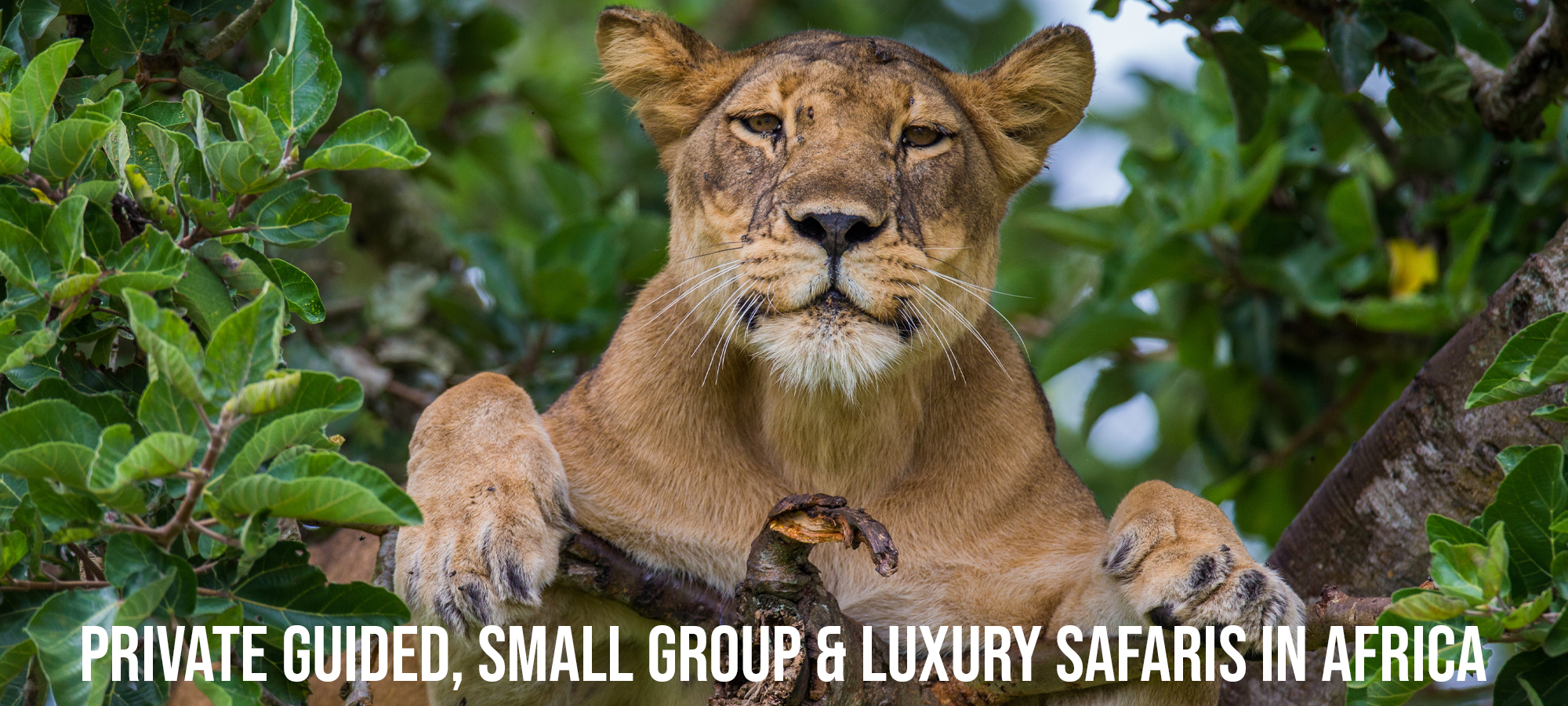


Explore Rwanda’s lush forests, scenic savannas, and unique wildlife
Safari info:
- Starts and ends in Kigali
- Duration: 10 days
- Accommodation type: Mid-range , comfortable
- This tour can be booked as a private guided safari
- Next group departure: 22 June 2026
Embark on a remarkable Rwanda wildlife tour that showcases the country’s most iconic landscapes, rare wildlife, and rich cultural heritage. Starting in Kigali, Rwanda’s vibrant capital, the journey blends modern city life with meaningful historical insights and warm local hospitality.
The adventure begins in Akagera National Park, the country’s only savannah reserve, where classic game drives reveal lions, elephants, giraffes, and over 500 bird species. Next, the itinerary heads to the legendary Volcanoes National Park in the misty Virunga Mountains for an unforgettable Rwanda gorilla safari. Gorilla trekking offers close-up encounters with endangered mountain gorillas—a once-in-a-lifetime experience—while golden monkey tracking and birdwatching add to the diversity of this unique destination.
Travellers then explore the scenic shores of Lake Kivu, with boat excursions, tea plantation visits, and stops in picturesque towns like Gisenyi. The journey continues to Nyungwe National Park, home to 13 primate species, where thrilling chimpanzee trekking and the famous forest canopy walkway await.
This immersive Rwanda safari package concludes with cultural visits to the Maraba Coffee Cooperative, the King’s Palace Museum, and the moving Kigali Genocide Memorial. It’s a perfect blend of wildlife, culture, and breathtaking scenery.


Why choose this safari – Trip highlights:
Akagera National Park:
Rwanda’s only savannah reserve, Akagera is home to the Big Five and offers classic game drives, birdwatching, and a scenic boat cruise on Lake Ihema.
Volcanoes National Park:
Set in the Virunga Mountains, this park is famous for once-in-a-lifetime Mountain Gorilla trekking and stunning volcanic scenery.
Ellen DeGeneres Campus of the Dian Fossey Gorilla Fund:
A world-class conservation and education centre that honours Dian Fossey’s legacy and showcases ongoing efforts to protect Mountain Gorillas.
Lake Kivu:
One of Africa’s Great Lakes, ideal for boat trips, island visits, and enjoying the peaceful lakeside towns of Gisenyi and Karongi.
Pfunda Tea Estate:
A scenic tea plantation where visitors learn about Rwanda’s tea industry, from field to cup, in the rolling hills above Lake Kivu.
Nyungwe National Park:
One of Africa’s oldest rainforests, rich in biodiversity with 13 primate species and excellent birding opportunities, especially for Albertine Rift endemics.
Nyungwe Canopy Walkway:
East and Central Africa’s only suspended canopy bridge, offering breathtaking views and a chance to spot birds and monkeys from the treetops.
Maraba Coffee Cooperative:
A hands-on visit to one of Rwanda’s most respected coffee producers, showcasing every step of the process from bean to brew.
Kigali Genocide Memorial:
A powerful and moving site of remembrance that educates visitors about the 1994 genocide and Rwanda’s ongoing journey of peace and reconciliation.


Day to day Itinerary overview
| Day 1 | Kigali |
| Day 2-3 | Akagera National Park |
| Day 4 | Akagera National Park to Volcanoes National Park |
| Day 5-6 | Volcanoes National Park |
| Day 7 | Gisenyi to Nyungwe National Park |
| Day 8 | Nyungwe -Chimpanzee Trekking |
| Day 9 | Kigali |
| Day 10 | Departure |
FAQ about Rwanda
When is the next group safari to Rwanda?
Our next group safari departs on 15 June 2026 and Yes, we can tailor your Rwanda safari package to include additional days, luxury upgrades, or combined tours with Uganda or Tanzania.
What are the top mammals for Rwanda?
Mountain Gorilla, Eastern Chimpanzee, Golden Monkey, Masai Giraffe, African Elephant, Plains Zebra, African Buffalo, Olive Baboon, Topi, L’Hoest’s Monkey. Yes, we can tailor your Rwanda safari package to include additional days, luxury upgrades, or combined tours with Uganda or Tanzania.
What are the top birds for Rwanda?
Grey Crowned Crane, Great Blue Turaco, Regal Sunbird, Rwenzori Turaco, Red-chested Cuckoo, Martial Eagle Rufous-bellied Heron, Handsome Spurfowl, African Fish Eagle, Rwenzori Double-collared Sunbird.


Full Rwanda wildlife safari Itinerary
DAY 1: Kigali – Upon arrival at Kigali International Airport, you will be met by your professional driver-guide and transferred to your hotel in the city. Depending on your arrival time, you may have the opportunity to enjoy a brief orientation drive through Kigali, Rwanda’s clean, green, and surprisingly modern capital. Set amid scenic hills, Kigali is known for its safety, hospitality, and progressive spirit. The city offers a fascinating introduction to Rwanda’s culture and history, from bustling local markets to its thoughtful memorials and vibrant art scene. Dinner will be served at the hotel, where you can relax after your journey and prepare for the exciting wildlife adventures that lie ahead.
DAY 2:
Akagera National Park – We depart Kigali at 6:00am for an early start to our full-day exploration of Akagera National Park, arriving at the park gates around 8:00am for a morning game drive and birding excursion. Nestled in Rwanda’s eastern lowlands along the border with Tanzania, Akagera is the country’s only protected savannah ecosystem. This diverse park spans over 1,100 square kilometres of open grassland, woodland, acacia thickets, wetlands, and a string of picturesque lakes, offering a sharp contrast to Rwanda’s more mountainous national parks. Once severely degraded, Akagera has undergone one of the most successful park rehabilitations in Africa, with the reintroduction of lions in 2015 and the return of the critically endangered Black Rhinoceros in 2017, now making it a Big Five destination.
As we traverse the park’s mosaic of habitats, we will search for mammals typical of the East African savannah, such as Topi, Defassa Waterbuck, Bushbuck, Impala, Common Warthog, Olive Baboon, Plains Zebra, and the striking Masai Giraffe. With luck, we may also spot herds of African Buffalo or even predators like Spotted Hyaena or Lion.
The park is also an excellent birding destination, with over 500 species recorded. During the morning drive, we will be on the lookout for savannah and woodland species including Red-chested Cuckoo, Common Scimitarbill, Green Wood Hoopoe, African Grey Hornbill, Grey Kestrel, Sooty Chat, Meyer’s Parrot, Black-headed Gonolek, Chinspot Batis, Grey-backed Fiscal, and Crested Barbet.
Around midday, we’ll stop for a packed lunch and some rest before continuing in the afternoon. As the day cools, we head to Lake Ihema for a scenic sunset boat cruise from 4:30pm to 6:00pm. This tranquil lake is the second largest in Rwanda and supports dense populations of Hippopotamus and Nile Crocodile, which can often be seen lounging on the banks or slipping silently into the water. The lake’s reedbeds and shallows also attract large numbers of breeding and roosting waterbirds. Species frequently encountered include African Darter, Reed Cormorant, Great Cormorant, Marabou Stork, Striated Heron, Squacco Heron, Rufous-bellied Heron, Purple Heron, Goliath Heron, Black-crowned Night Heron, Black Crake, Spur-winged Lapwing, Water Thick-knee, Common Sandpiper, and the iconic Grey Crowned Crane. Overhead, the unmistakable call of the African Fish Eagle adds to the evocative atmosphere of the African savannah at dusk.
DAY 3: Akagera National Park – After an early breakfast, we set out for another rewarding game drive, this time exploring the northern reaches of Akagera National Park. This area is characterized by vast open plains dotted with acacia and bushveld, offering some of the best opportunities to encounter larger concentrations of wildlife. The north is particularly known for sightings of African Elephant, Buffalo, Plains Zebra, and Topi, as well as predators such as Lion and Spotted Hyaena, especially in the cooler hours of the morning.
Birders can expect new species in this more arid, open habitat, such as Northern Black Korhaan, Temminck’s Courser, White-winged Widowbird, Yellow-throated Longclaw, and Black-faced Waxbill. Raptors are also more prominent here, and we may spot Bateleur, Brown Snake Eagle, or the majestic Martial Eagle. In the afternoon, we transfer to our next camp, ideally located for access to Akagera’s nocturnal wildlife. After settling in, we venture out on a guided night drive—a rare and exciting opportunity in Rwanda. With the aid of spotlights, we search for elusive creatures that emerge after dusk. Possible sightings include the White-tailed Mongoose, Large-spotted Genet, Scrub Hare, Spring Hare, and even Leopard or Serval. Nocturnal birds such as Verreaux’s Eagle-Owl and Square-tailed Nightjar may also be seen. After the drive, we return to camp for a hearty dinner and overnight stay beneath the stars of the African savannah
DAY 4: Akagera National Park to Volcanoes National Park – We begin the day with an early morning safari in Akagera, taking advantage of the cool temperatures and heightened animal activity at dawn. After breakfast at around 9:00am, we continue with a final game drive as we make our way out of the park, enjoying last glimpses of Akagera’s varied wildlife and scenic landscapes. This is a good time for photographing wildlife in soft morning light and possibly spotting species that may have eluded us earlier in the trip.
Following our exit, we journey northward toward Musanze, a picturesque town nestled in the foothills of the Virunga Volcanoes. Known as the gateway to Volcanoes National Park, Musanze is at the heart of Rwanda’s primate tourism and is famously associated with Mountain Gorillas and Golden Monkeys. The surrounding countryside is a mosaic of terraced hillsides, volcanic peaks, and lush montane forest, making the drive both scenic and culturally enriching.
En route, we pass through bustling towns and rural communities, with good chances of spotting common roadside bird species such as Yellow-billed Kite, Hooded Vulture, African Sacred Ibis, Northern Grey-headed Sparrow, Angola Swallow, and Speckled Mousebird. Keep an eye out for local markets and banana plantations along the road—a reminder of Rwanda’s rich agricultural heritage.
We will make a brief stop at Nyirangarama, a popular roadside refreshment area owned by a well-known Rwandan entrepreneur. This is a convenient spot to stretch your legs, use the restroom, and perhaps sample some locally made snacks or fresh fruit juices. From there, we continue our drive into Musanze, arriving by late afternoon with time to relax at the lodge and prepare for the exciting primate encounters that await.
DAY 5: Volcanoes National Park – Gorilla trekking – After an early breakfast, we depart from the hotel and drive to the Volcanoes National Park headquarters, aiming to arrive by 7:00am for a detailed briefing on gorilla trekking. Here, visitors are introduced to the park’s guidelines and assigned to one of the habituated Mountain Gorilla groups. This is the beginning of one of the most profound wildlife experiences on Earth—the chance to observe Mountain Gorillas (*Gorilla beringei beringei*) in their natural environment, deep in the misty forests of the Virunga Mountains.
Volcanoes National Park is home to around a third of the world’s remaining Mountain Gorillas and seeing them in the wild is often described as a life-changing moment. Led by experienced trackers and armed rangers, small groups hike through dense montane forest and bamboo thickets, guided by the movements of the gorilla families. The trek can vary in length and difficulty depending on the group assigned, but the reward is a magical and humbling hour spent just meters away from these powerful yet gentle primates. Observing them as they groom, feed, and interact within their family units offers rare insight into one of our closest living relatives. Each group includes at least one dominant silverback male, several adult females, and playful juveniles. As of recent records, Volcanoes National Park has 12 fully habituated groups available for tourism, with additional groups reserved for research and conservation.
After returning from the trek and enjoying lunch, we visit the Ellen DeGeneres Campus of the Dian Fossey Gorilla Fund. Opened in 2022 near the park entrance, this state-of-the-art conservation and education centre honours the enduring legacy of Dr. Dian Fossey, who dedicated her life to protecting Mountain Gorillas. The campus features interactive exhibits, scientific research facilities, and educational programs, allowing visitors to gain a deeper understanding of gorilla ecology, conservation challenges, and the decades-long efforts to ensure the survival of this critically endangered species. The visit adds powerful context to the morning’s trek, emphasizing the impact of sustained conservation partnerships and the importance of safeguarding Rwanda’s natural heritage.
DAY 6: Volcanoes National Park – Golden Monkey trekking – As with the previous day, we report to the Volcanoes National Park headquarters by 7:00am for a morning dedicated to tracking one of the park’s most charismatic and lesser-known residents—the Golden Monkey (Cercopithecus kandti). After a short briefing on the rules and expectations of the trek, we drive to the forested lower slopes of Mount Sabyinyo, specifically the Kabatwa area, which is home to one of the habituated troops of these rare and beautiful primates.
Golden Monkeys are endemic to the Albertine Rift and are found only in the high-altitude forests of the Virunga Volcanoes. With their striking golden-orange fur, expressive faces, and social behaviour, they provide a lively and highly photogenic contrast to the more serene encounters with Mountain Gorillas. The trek to find them is generally less strenuous, and the monkeys are often seen feeding in bamboo stands or foraging on the forest floor. Interestingly, they are known to raid nearby fields for leftover Irish potatoes after harvest, a behaviour that has earned them both affection and frustration from local farmers.
We spend about an hour in the company of the troop, observing their playful interactions, foraging habits, and complex social structures. The experience not only allows for great photography but also provides insight into the ecology of a primate species still threatened by habitat loss and human-wildlife conflict.
While in the forest, keep an eye out for some of Volcanoes National Park’s high-altitude birdlife. Notable species include the vibrant Baglafecht Weaver, Black-crowned Waxbill, the secretive Handsome Spurfowl, Rwenzori Double-collared Sunbird, and the brilliantly plumaged Rwenzori Turaco—one of the region’s most iconic birds. The park is part of the Albertine Rift Endemic Bird Area and is home to several rare and range-restricted species.
The trek typically concludes between 11:00am and noon, after which we begin our scenic drive westward to Gisenyi. Situated on the northern shores of Lake Kivu, Gisenyi is a charming lakeside town known for its relaxed atmosphere, palm-lined beaches, and views across the water to Goma in the Democratic Republic of Congo.
DAY 7: Gisenyi to Nyungwe National Park – After breakfast in Gisenyi, we begin the day with a visit to the nearby Pfunda Tea Estate, one of Rwanda’s most prominent tea producers. Set against a backdrop of rolling hills and lush valleys, Pfunda offers a firsthand look at the country’s thriving tea industry, which is a vital part of the Rwandan economy and landscape. Here, we explore the tea plantations, learn about the traditional methods of hand-plucking tea leaves, and observe the full processing cycle—from fresh leaf to final product. The estate visit provides insights into Rwanda’s high-altitude tea cultivation and its role in supporting local communities.
Following the visit, we continue south along the scenic lakeshore road to Kibuye (now officially known as Karongi), a tranquil town nestled on a hilly peninsula overlooking the shimmering waters of Lake Kivu. Upon arrival, we enjoy lunch at a lakeside restaurant with sweeping views of the surrounding bays and forested islands.
In the afternoon, we set off on a boat cruise across the calm waters of Lake Kivu, one of Africa’s Great Lakes and part of the East African Rift system. This freshwater lake is known for its depth, volcanic origin, and serene beauty. As we glide across its surface, we pass by lush green islands such as Napoleon Island and Peace Island, some of which are inhabited by colonies of fruit bats or offer excellent birding opportunities. The cruise also offers a unique perspective on lakeside life, with traditional fishing boats, terraced hills, and local villages visible along the shores.
Later in the afternoon, we continue our journey inland toward Nyungwe National Park. The drive offers increasingly dramatic scenery as we leave the lakeside and ascend into the misty highlands of Rwanda’s southwest. Nyungwe, one of the oldest and most biologically rich montane rainforests in Africa, awaits with its extraordinary diversity of primates, birds, and plant life—setting the stage for the next chapter of our wildlife adventure.
DAY 8: Nyungwe National Park-Chimpanzee Trekking – Our day begins very early, around 5:00am, as we set off from the lodge with packed breakfasts in hand for a thrilling chimpanzee trekking adventure in Nyungwe National Park. Upon arrival at the trailhead, we enjoy a quick breakfast in the parking area before receiving a safety briefing and meeting our local guide and park rangers. From there, we begin the trek into the dense montane rainforest in search of one of the park’s habituated chimpanzee groups.
Chimpanzee tracking in Nyungwe is a dynamic experience, as these primates are highly mobile and vocal, often heard long before they are seen. The trek can range from moderately easy to challenging depending on the group’s location, and sightings may occur anywhere between 6:00am and midday. Once located, we spend an awe-inspiring hour observing the chimps as they feed, groom, and swing through the treetops. Nyungwe is home to one of the largest populations of Eastern Chimpanzees (Pan troglodytes schweinfurthii) in the region, and the encounter offers an exceptional chance to witness their complex social behaviour in the wild.
In addition to chimpanzees, Nyungwe harbours 12 other primate species and a total of 86 recorded mammal species. While trekking, you may also spot Rwenzori Sun Squirrel, L’Hoest’s Monkey, Grey-cheeked Mangabey, or the elusive Golden Cat.
After returning to the lodge for lunch and some rest, we set out again at 2:00pm for the iconic canopy walk—one of Nyungwe’s signature experiences. This is the only canopy walkway in East and Central Africa, and it offers a rare aerial perspective of the forest. The suspended bridge stretches 70 meters in length and hangs more than 50 meters above the forest floor. As we walk above the treetops, we enjoy sweeping views of the jungle canopy and may spot high-canopy birds, monkeys, and colourful butterflies.
Nyungwe is a globally recognized Important Bird Area and a hotspot for Albertine Rift endemics. Birders should look out for species such as the spectacular Great Blue Turaco, Regal Sunbird, Bar-tailed Trogon, Red-collared Mountain Babbler, and Rwenzori Batis. The canopy walk ends around 4:30pm, after which we return to the lodge at around 5:00pm for a well-deserved evening of relaxation.
DAY 9: Kigali – After breakfast, we begin our scenic return journey to Kigali, traveling through Rwanda’s picturesque southern highlands. Along the way, we stop at the renowned Maraba Coffee Cooperative near Huye—an excellent opportunity to immerse ourselves in Rwanda’s thriving specialty coffee culture. At the cooperative, we trace the entire journey of coffee from bean to cup, starting with the cultivation of Arabica coffee on smallholder farms nestled in the fertile hills. Visitors witness the traditional harvesting and washing processes, followed by drying and roasting. The tour concludes with a coffee tasting session, where you can savour the rich, complex flavours that have made Rwandan coffee internationally acclaimed.
Following lunch in the Huye area, we continue northward for a visit to the King’s Palace Museum in Nyanza. This cultural site offers a fascinating glimpse into Rwanda’s pre-colonial monarchy. The centrepiece of the museum is a reconstruction of a traditional royal palace, complete with a thatched dome structure known as the “Inyambo House.” The grounds are also home to a royal herd of Inyambo—sacred, long-horned cattle descended from the king’s original herds. These majestic animals, still tended in ceremonial fashion, reflect the deep spiritual and cultural ties between the monarchy and Rwanda’s pastoral heritage.
After this enriching cultural stop, we complete the drive to Kigali, arriving in the late afternoon. Dinner and overnight accommodation will be in the city, offering a chance to relax and reflect on the remarkable diversity of landscapes, wildlife, and traditions experienced throughout the journey.
DAY 10: Departure – On our final day in Rwanda, we begin with a guided morning tour of Kigali. The tour offers a thoughtful look at Rwanda’s dynamic capital, which blends modern infrastructure with deep-rooted cultural heritage. Key landmarks may include the vibrant Nyamirambo neighbourhood, the historic Kandt House Museum, and the colourful Kimironko Market, where locals sell everything from fresh produce to handmade crafts.
A central part of the morning is our visit to the Kigali Genocide Memorial. This powerful and moving site commemorates the victims of the 1994 Genocide against the Tutsi, in which over one million lives were lost. Through archival photographs, personal stories, and mass burial grounds, the memorial offers profound insight into Rwanda’s tragic past while highlighting its remarkable journey toward healing and unity. It serves not only as a place of remembrance but also as a centre for peacebuilding and education.
Following the memorial visit, we enjoy lunch at one of Kigali’s local restaurants, often featuring contemporary Rwandan cuisine. If time allows, we’ll stop at a few souvenir and craft shops where you can purchase handmade items such as woven baskets, beaded jewelry, wood carvings, and Rwandan textiles—perfect mementos of your journey.
In the late afternoon or early evening, we transfer to Kigali International Airport for your departure flight, ending a deeply enriching exploration of Rwanda’s landscapes, wildlife, and culture.