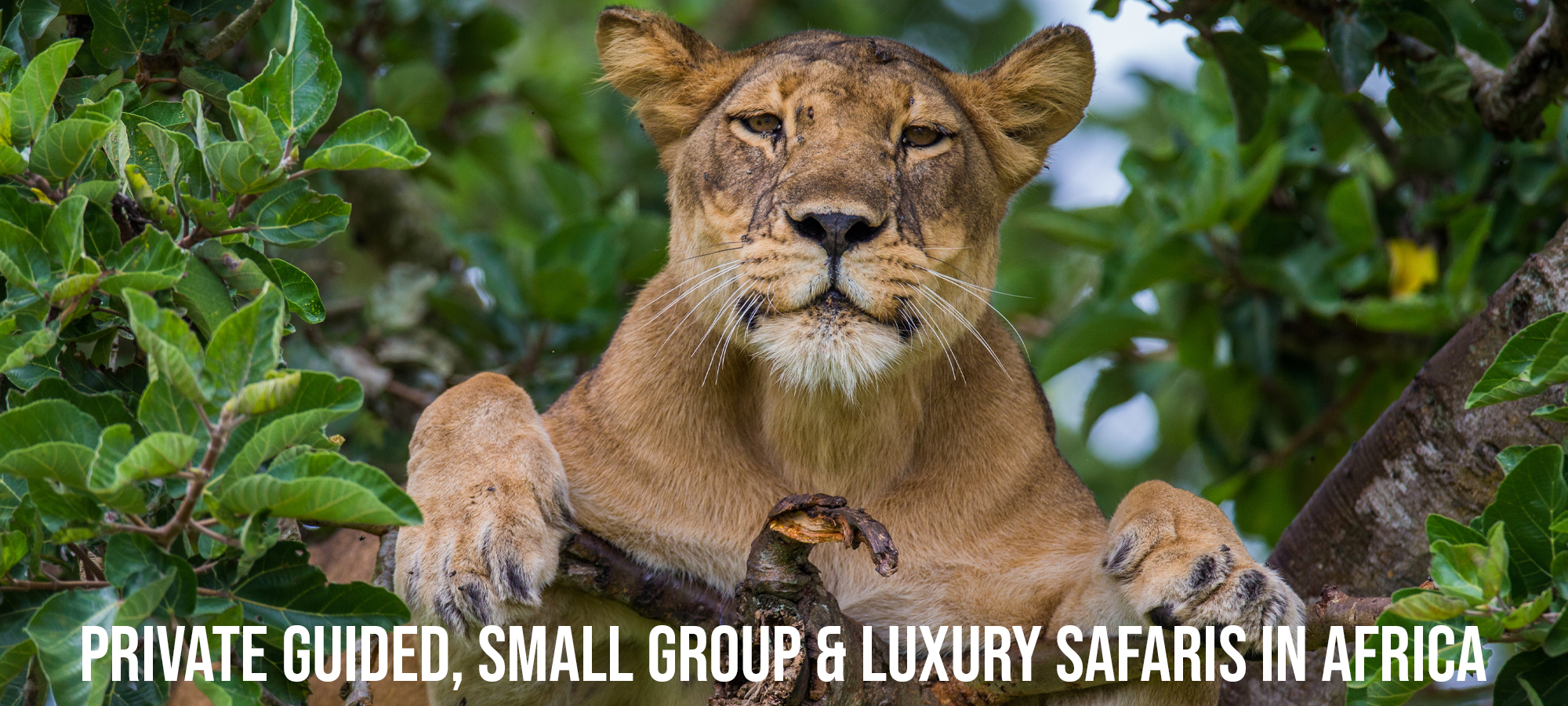


Embark on a wildlife adventure in Tanzania
Tanzania, the safari capital of Africa, is any wildlife enthusiast’s dream come true. Imagine venturing into the enormous Serengeti National Park and the magnificent Ngorongoro Crater. Our Tanzania Wildlife adventure takes you on a quest to see the “Big Five”- giant Elephants, majestic Lions, elegant Leopards, primeval Rhinos, and the hefty African buffalo.
The world’s highest free-standing peak, Mount Kilimanjaro, the Serengeti, and its Great Migration, the Ngorongoro Conservation Area, a World Heritage Site, and a plethora of game-filled parks and reserves are among the fantastic attractions this country has to offer.


| Starts in Nairobi | Ends in Arusha | Duration: 7 Days | Group Dep date: TBC |
Top attractions:
Tarangire National Park: Large herds of elephants and the seasonal mini-wildlife migration are the main attraction to this park during the dry season.
Central Serengeti: Nestled at the centre of this magnificent national park, the Central Serengeti is the most visited area because to its profusion of animals, high concentration of big cats, and typical Serengeti scenery of savanna dotted with acacia trees.
Ngorongoro Crater: An UNESCO World Heritage Site and one of the most exquisite wildlife refuges on the planet, housed within the ancient caldera, which is about three million years old.
Top Mammals:
Lion, Leopard, Rhinoceros, African Elephant, Buffalo, Cheetah, Giraffe, Zebra, Wildebeest, Hyena, Topi, Hippopotamus, Defassa, Waterbuck, Hartebeest.
Top Birds:
Green Wood-hoopoe, Brubru, Superb Starling, Abdim’s Stork, Magpie Shrike , Red-and-Yellow Barbet.


Itinerary summary
| Day 1 | Arusha |
| Day 2 | Tarangire National Park |
| Day 3-5 | Central Serengeti |
| Day 6 | Ngorongoro Crater |
| Day 7 | Arusha departure |
Day to Day Itinerary
DAY 1:
Arusha – As soon as you land at the airport, our ground staff will meet you and take you to your hotel for the night.
The sprawling city of Arusha is known as the safari capital of northern Tanzania. It serves as an excellent base from which to explore the remarkably scenic surrounding area which includes majestic Mount Kilimanjaro, as well as Tarangire, Ngorongoro National Park and not forgetting the amazing Serengeti National Park.
Tanzania boasts an abundance of diverse species and landscapes that few other places in Africa can match. It is a land of breathtaking scenery, amazing animals, alluring beaches, quaint old towns, archaeological monuments, and geological marvels.
Your safari will be an unforgettable journey.
DAY 2:
Tarangire National Park – Following a delicious breakfast this morning, we head to Tarangire National Park. The 110-kilometer trip ought to take roughly two hours. We will arrive in time to do our first game drive in the afternoon and get ready to experience the gem we call East Africa.
Tarangire National Park is one of Tanzania’s larger parks. Along with being one of the most well-known wilderness parks in Africa, it frequently experiences fewer visitors than other parks in Northern Tanzania.
This park features giant Baobab trees, riverine forests, scrubby vegetation, and vast grassland savannahs where grazers roam. The Maasai Steppe, Lake Manyara, the region between Lake Natron and Mount Kilimanjaro forms the vast ecosystem that the park is a part of. Tens of thousands of animals are lured to the banks and floodplains of the Tarangire River, which becomes one of the only sources of water available each year during the dry season.
This park, which gets its name from the Tarangire River, is well-known for its interesting termite mounds, stunning Baobab trees, and high Elephant population. We expect to see Lions, Hippos, Leopards, Cheetahs, and various species of antelope. Tarangire is also the one place in Tanzania where dry-country antelope such as Oryx and Gerenuk are seen regularly.
The stunning Silale Swamp, where animals frequently gather for water and green vegetation, will also be explored. Water is continuously added to this vast swamp all year round. Gorgeous Acacia trees bordering the margins are home to a variety of wildlife, including Tawny Eagles, White-backed Vultures, and huge Pythons.
We return to our lodge for a scrumptious dinner under the African Sky. Retiring for a good night’s rest listening to the sounds of the bush.
DAY 3-5:
Central Serengeti – We will enjoy breakfast before we make our way to The Central Serengeti which will be our home for the next three days. We will be up early for game drives and back at the lodge for breakfast and some relaxing time. We will go explore again in the afternoon enjoying the sun setting as we head back to our lodge for sundowners and a splendid meal.
The grassy plains to the south and the forested hills to the north are naturally divided by the Seronera River Valley in this region. Because of this, animals from both habitats can be found here, making the central Serengeti one of the park’s richest ecosystems with excellent year-round game viewing. This area is home to many Lions and Cheetahs, and the valley is frequently visited by the elusive Leopard.
We will take our time exploring some of the well-known rock formations, also called Kopjes. These rocks developed over many years as a result of erosion from the bedrock. In the Central Serengeti, they loom magnificently above the immense savannah. Our goal is to connect with the big cats (Cheetah, Leopard, and Lion) who inhabit this area of the Serengeti.
This region is home to numerous other animal species such as Savannah Elephants, Common Zebras, Wildebeest, Maasai Giraffes, Cape Buffalo, and Black Rhinos.
DAY 6:
Ngorongoro Crater- This morning, we bid farewell to the Serengeti as we make our way onwards to the Ngorongoro Crater.
The mighty Ngorongoro is indeed an amazing place. It is known as one of the wonders of Africa and has been featured in numerous books and films about Africa.
The Ngorongoro Conservation Area, which borders the Serengeti plains, contains around 8,500 km2 (3,300 sq mi). Its principal feature is the beautiful Ngorongoro Crater, the world’s largest uninterrupted volcanic crater. The caldera is ringed by very steep walls that rise 600 meters (2,000 feet) above the volcano’s floor.
Approximately 25,000 large mammals make their permanent home in the crater’s grasslands. The most common ungulates include Common Wildebeest, Hartebeest (Coke’s subspecies), African Buffalo, Plains Zebra, Thomson’s and Grant’s Gazelles, and Common Eland. Other animals to look for include the Hippopotamus, African Elephant, Black Rhinoceros, Waterbuck, Bushbuck, Baboons, Monkeys, and the rare Bohor Reedbuck. Predators are also present, with the crater being home to a sizable Lion population as well as some Spotted Hyenas and Servals. The small Lake Magadi is in the center of the crater and is home to thousands of Flamingos.
Birds you will experience here include Green Wood-hoopoe, Brubru, Superb Starling, Abdim’s Stork, Magpie Shrike and Red-and-Yellow Barbet.
Dinner will be enjoyed at the lodge – its location offers awe-inspiring views and some of the most breathtaking sunsets to be seen in Tanzania. Enjoy!
Tonight, we have our last dinner together, reflecting on the most amazing safari experience in Tanzania.
DAY 7:
Ngorongoro Crater to Arusha and Departure- And with that, a wonderful Tanzania safari sadly comes to an end.
Following breakfast, we will travel the three hours to Arusha, stopping along the way for lunch or last-minute shopping. We are heading to Kilimanjaro International Airport to catch our flight back home.
You might also like:
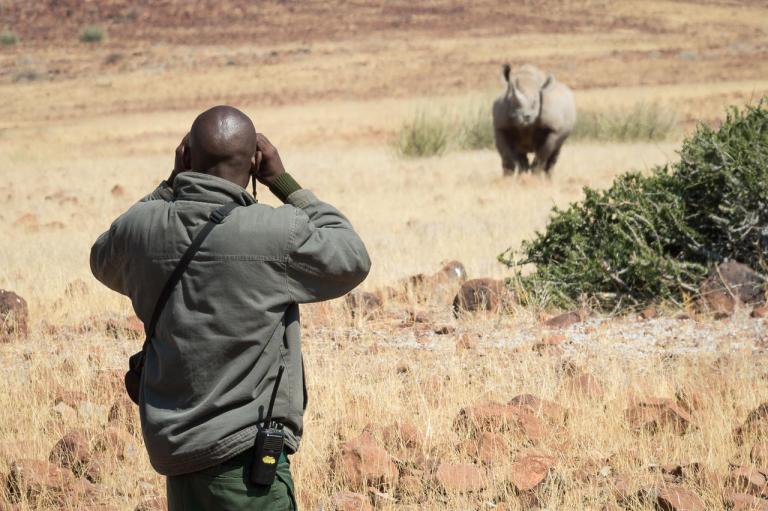
Rhino Walking Safari, Namibia
“This was my 4th trip wit the Nature Travel Group and as usual the accommodations and food were excellent, the local guides were familiar with the area and animal behavior which led to many animal sightings, and Nick’s attention to his client’s needs is beyond compare.
A special thanks to Nick and all the staff at Nature Travel Africa. If you are planning a trip to Africa I would let Nature Travel Africa take you there. You will not be disappointed.” – Dorothy C
MORE REVIEWS