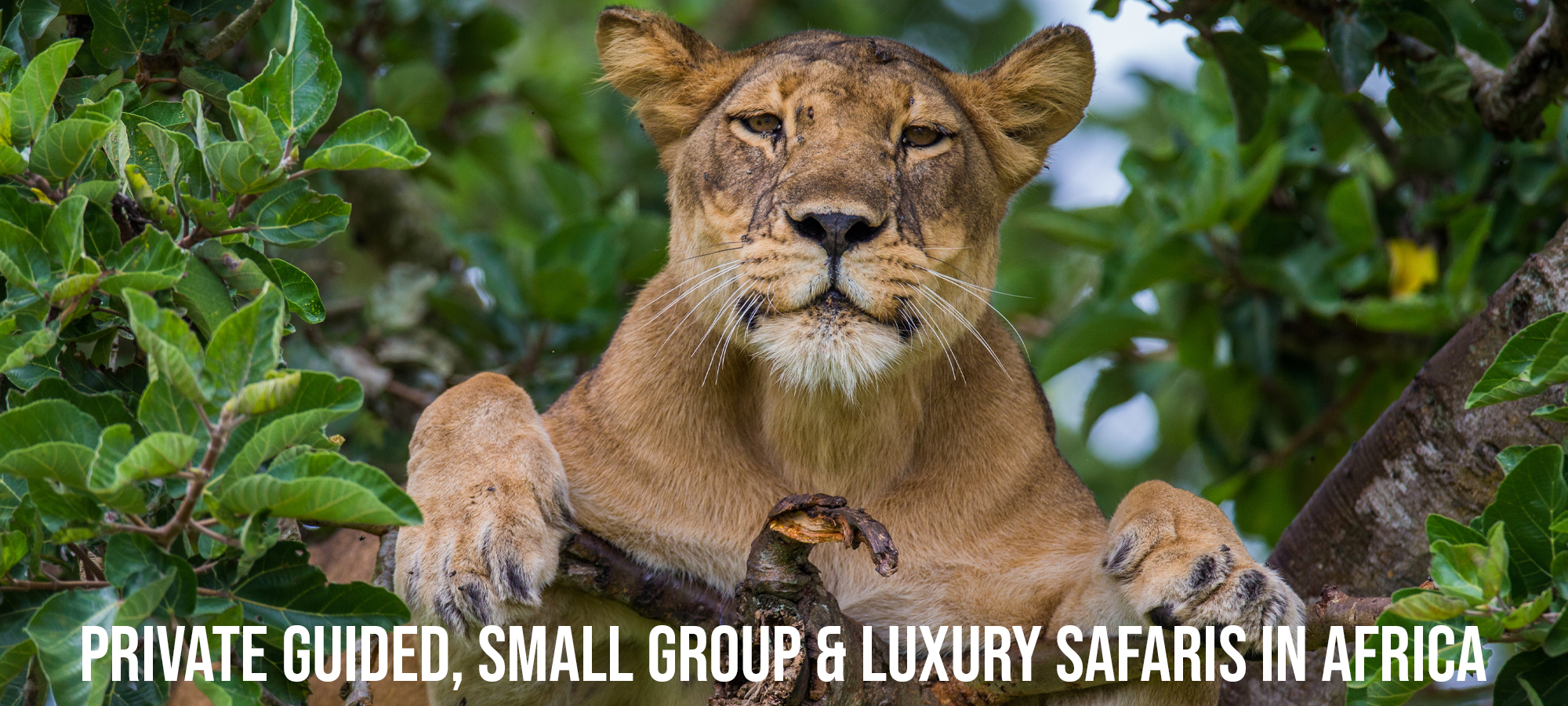


Get ready for a Bucket list safari experience!.
Lush grasslands, newborn wildebeest, and extraordinary predator encounters!
“The wildlife viewing was incredible and our lodges were top notch! I can highly recommend Nature Travel without reservation and only hope others can experience this once in a lifetime trip!”
— Mary Kay Thomas
Why this tour?
- Expert guided
- Small group
- Once in a lifetime – bucket list
Safari info:
- Start and ends in Arusha
- Duration: 10 days
- Accommodation type: Comfortable / Lodges
- Next group depature: 1 September 2026
- This tour can also be booked as a private guided safari
Every year, spurred on by the dry season on the African plains in Kenya and Tanzania, close to two million wildebeests, zebras and gazelles make the epic journey from their breeding grounds in the southern Serengeti to greener, wetter grass on the northern plains during what is known as the Great Migration. As the dry season turns to wet, they travel full circle back south. Year after year, governed by the seasons as they evolve from wet to dry and back again, this cycle repeats itself.
Witnessing the Great Wildebeest Migration is undoubtedly one of the greatest wildlife spectacles on the planet and a true bucket-list safari adventure.


Day to day summary
| Day 1 | Nairobi, Kenya |
| Day 2 | Nairobi to Maasai Mara National Reserve |
| Day 3-4 | Maasai Mara National Reserve |
| Day 5 | Maasai Mara National Reserve to Northern Serengeti, Tanzania |
| Day 6 | Northern Serengeti |
| Day 7 | Central Serengeti |
| Day 8 | Central Serengeti to Ngorongoro Crater |
| Day 9 | Ngorongoro Crater |
| Day 10 | Ngorongoro Crater to Arusha for departure |
Top attractions:
Maasai Mara National Reserve: World famous for hosting the epic Great Migration. It hosts over 95 species of mammals and over 570 recorded species of birds.
Serengeti National Park: World Heritage Site in the northern part of Tanzania. The teeming wildlife include these phenomenal numbers: over 2 million ungulates, 4000 lions, 1000 leopard, 550 cheetahs and some 500 bird species.
Seronera Valley: Known as the Big Cat Capital of Africa. Seronera Valley is rich in Lion, Leopard and Cheetah.
Ngorongoro Crater: UNESCO World Heritage Site and the “eighth wonder of the world”
Top Mammals:
Lion, Leopard, Cheetah, African Elephant, Buffalo, Rhinoceros, Spotted Hyena, African Wild Dog, Giraffe, Thomson’s Gazelle, Grant’s Gazelle.
Top Birds:
D’arnaud’s Barbet, Ross’s Turaco, Schalow’s Turaco, Kori Bustard, Grey-crested Helmet-Shrike, Long-crested Eagle, Long-crested Eagle, Superb Starling, Grey Crowned Crane, Pygmy Falcon, Sooty Chat, Jackson’s Widowbird, Marabou Stork.
Thank you for your enquiry.
Day to Day Itinerary
DAY 1: Start of safari in Nairobi, Kenya.
Welcome to east Africa! Your fantastic migration safari will start as soon as you touch down at the Jomo Kenyatta International Airport. Depending on your time of arrival, we can go out for an optional excursion to the nearby attractions.
Just 20 minutes from the city centre, wild Lions and African Buffalo roam in the world’s only urban game reserve, the Nairobi National Park. This 117 km2 (45 sq mi) reserve was opened in 1946, and contains a diverse range of habitats and species.
We will have our first dinner in Africa tonight. Dinner conversation will include our target fauna and flora species for the exciting safari ahead.
DAY 2: Nairobi to Maasai Mara National Reserve.
After an early breakfast we will depart for the Maasai Mara, about 5 to 6 hours away in a westerly direction. We will stop along the way to enjoy our packed lunch and will arrive at our accommodation mid-afternoon. After checking in we will enjoy some drinks before setting off on our first game drive!
Our lodge is perfectly situated to explore this great African game reserve. This is the best area in the Mara to see big game up close. Some of the many mammals we hope to see include African Elephant, African Buffalo, Rhinoceros, Lion, Leopard, Cheetah, Spotted Hyaena, Hippopotamus, Giraffe (Maasai or tippelskirchi subspecies), Common Eland, Thomson’s and Grant’s Gazelle, Black-backed Jackal, Bat-eared Fox, Serval, and of course hundreds of thousands of Zebras and Wildebeest.
Around July of each year, these animals migrate north from the Serengeti plains towards the Maasai Mara. There mission is to find fresh pasture, and return to the south again around October. The Great Migration is one of the most impressive natural events on the planet. The journey involves ±1,300,000 wildebeest, 500,000 Thomson’s Gazelles, 97,000 Topi (a subspecies of Tsessebe), 18,000 Common Eland and 200,000 zebras. Astoundingly, about 250,000 wildebeest and other mammals die during the journey from Tanzania to the Maasai Mara National Reserve. Death is usually from thirst, hunger, exhaustion, or predation.
After our exciting first game drive we will return to our lodge to freshen up and have dinner. Remember to look up at the sky tonight before settling into your room – the stars are truly remarkable out here!
DAY 3: Maasai Mara National Reserve.
We have our first full day on safari in the wonderful “Mara”, as the locals call it. We will enjoy a scrumptious breakfast, which will be followed by a morning game drive.
We will revel in the sights as we drive around in our comfortable safari vehicle. Get ready for unforgettable sightings, definitely not limited to the migrating mass of mammals. There is always something else going on during the migration. Predators follow the animals, birds soar on the thermals above us, or smaller creatures on the ground around us. Our guides will keep you informed about all the diverse fauna and flora around you.
We will return to our lodge for lunch and a short siesta in the heat of the day. We will go out on another game drive in the afternoon. We hope to see some more spectacular fauna and flora and the predator-prey interaction that the Mara is famous for.
The Maasai Mara is regarded as the jewel of Kenya and one of the world’s greatest wildlife reserves. As in the Serengeti, the wildebeest are the dominant inhabitants of the Maasai Mara with their numbers in the millions. Nowhere in Africa is wildlife more abundant. We are almost guaranteed to see the Big Five (Buffalo, Elephant, Leopard, Lion and Rhino). Another 90 species of mammals have been recorded in the reserve and over 500 species of birds.
We will return to our lodge in the early evening. Dinner in the African bush is an experience that you will savour forever!
DAY 4: Maasai Mara National Reserve.
After breakfast we will go on a game drive. Our focus will be mammals and birds we may have missed out on during our earlier excursions into the reserve.
Speaking of birds, we will also focus on finding some of the Mara’s special species. More than 500 species of birds have been identified in the park, with almost 60 species of raptors. Birds that we will look for include several species of vultures, Saddle-billed, Woolly-necked and Marabou Stork, Secretarybird, many hornbill species, D’arnaud’s Barbet, 7 species of kingfisher, Ross’s and Schalow’s Turaco, Kori and Denham’s Bustard, Grey-crested Helmetshrike, aptly named Long-crested Eagle and Superb Starling, Grey Crowned Crane, the cute Pygmy Falcon, Sooty Chat, Jackson’s Widowbird, Kenya Sparrow, Southern Grosbeak-canary, Rufous-bellied and Malagasy Pond Heron, Lesser Kestrel, Yellow-billed Oxpecker and the beautiful Lilac-breasted Roller, the national bird of Kenya. It is easy to see over 200 species on a 3 day trip in the Mara!
Something else to look out for are the absolutely monstrous Nile Crocodiles. These can be seen in the Mara river, and in the Grumeti later on the safari. These ancient reptiles can grow up to over 5 metres/16 feet long! They lie in wait for the migrating mammals, preying on the chaos of the river crossing. Seeing one of them catch a zebra is a scary reminder of how fragile us humans are in the greater scheme of things…
We will return to our lodge for lunch and some down time.
Remember to bring extra batteries for your camera, because the reserve is also a photographer’s paradise destination. Abundant wildlife, diverse bird species, and stunning African landscapes await to be captured in photographs. The famous BBC series ‘Big Cat Diary’ was filmed in the Maasai Mara.
After another fantastic day in the Mara, we will return to the lodge for our final dinner here. Enjoy the African skies as you reminisce about our wonderful time here . Tomorrow, we go to the Serengeti!
DAY 5-6: Maasai Mara to Northern Serengeti (Tanzania).
After an early breakfast we will cross over into Tanzania at the Isebania border. Welcome to the famous Serengeti National Park! This UNESCO World Heritage Site is one of the best-known reserves in Africa, and probably the world.
We will enjoy a packed lunch en route.
We will reach our camp in the Northern Serengeti late-afternoon. Our intimate migration camp is a semi-permanent mobile tent, ideally positioned to follow the movements of the great migration. It offers splendid views and features first-class amenities that guarantees luxury accommodation even in the midst of the wild. Listen to the sounds of nature and simply take in this once-in-a-lifetime experience .
We will enjoy dinner around a classic African camp fire tonight.
DAY 7:
Central Serengeti – This morning we will enjoy a full morning game drive in the central section of the Serengeti. We will return to our camp for lunch.
The Central Serengeti forms an integral part of the great wildebeest and zebra migration. While the wildebeest and zebra are mesmerizing, the Serengeti is home to a rich variety of other wildlife. It hosts around 70 large mammal species and 500 bird species. Packs of African Wild Dogs, prides of Lions (with a population of over 3,000), Cheetahs, Leopards (over 1,000), and nearly 8,000 Spotted Hyenas are often seen following the herds. The Serengeti is also home to a diversity of grazers. Look out for African Buffalo, African Elephant, Common Warthog, Common Eland, Waterbuck, and Topi.
We will not let our feathered friends feel left out. We will definately make time to tick off some of the Serengeti’s star birds. These include Fischer’s Lovebird, Kori Bustard, Secretarybird, Grey-breasted Spurfowl, Rufous-tailed Weaver, Hildebrandt’s Starling, Southern Ground Hornbill, Tanzanian Red-billed Hornbill, Red-throated Tit, Karamoja Apalis, Abyssinian Wheatear, Swahili Sparrow, Verreaux’s and Martial Eagle, Silverbird, Yellow-throated Sandgrouse and Ruppell’s Vulture.
Reptiles in Serengeti that we will look out for include the massive and numerous Nile Crocodile, Leopard Tortoise, East African Serrated Mud Turtle, Common Agama, Nile Monitor, many species of chameleons, African Rock Python, Black Mamba, Black-necked Spitting Cobra, Puff Adder and many others.
We will return to our camp for some relaxation time and dinner. Our camp offers you the perfect blend of old African charm and elegance in the heart of Serengeti. The intimate camp has breathtaking views of the surrounding savannah plains. If the weather is good, we will once again relax around the fire before settling into bed.
DAY 8:
Serengeti to Ngorongoro Crater – After breakfast we will do a longer morning game drive and return to camp for lunch. We set off late afternoon further southeast, to Ngorongoro, for the next part of our adventure.
En route we will have time to visit an authentic Maasai Village. Learn about their fascinating culture and everyday way of life. The name Ngorongoro comes from the Maasai. The Maasai pastoralists named the area after the sound produced by the cowbell (ngoro ngoro)!
The Ngorongoro Conservation Area covers some 8,500 km2 (3,300 sq mi) adjacent to the Serengeti plains. It’s main feature is the magnificent Ngorongoro Crater, the largest unbroken volcanic caldera in the world. Incredibly steep walls rise 600 meters above the floor of the caldera, encircling the volcano. It’s a must-visit destination on any tour to Tanzania or east Africa.
The grasslands within the crater are the permanent home to about 25,000 large mammals. The most numerous ungulates are Common Wildebeest, Hartebeest (Coke’s subspecies), African Buffalo, Plains Zebra, Thomson’s and Grant’s Gazelle, and Common Eland. Other mammals that we will look for include Hippopotamus, African Elephant, Black Rhinoceros, Waterbuck, Bushbuck, baboons, monkeys, and the rare Bohor Reedbuck. The crater boasts a sizeable Lion population, and some Spotted Hyaenas and Serval.
We’ll enjoy dinner at our lodge on the eastern rim of the crater. The location provides awe-inspiring views and some of the most breathtaking sunsets in Tanzania. Enjoy!
DAY 9: Ngorongoro Crater.
We will spend the full day in the crater. What can be better than a picnic on the 260 square kilometre (100 square mile) crater floor!
While a major attraction is the mammals, birding within and on the top of the crater rim is excellent. You can spot several specialty bird species here. We will look for Schalow’s Turaco, Hunter’s Cisticola, Ruppell’s Robin-Chat, Tacazze Sunbird, and the stunning Golden-winged Sunbird.
After a fabulous day of game viewing in the Crater, we will return to our lodge for dinner.
DAY 10:
Ngorongoro Crater to Arusha and Departure- And so, an amazing East Africa migration safari unfortunately comes an end.
After breakfast, we will head to Arusha (about 3 hours away) and stop for lunch or some last-minute shopping. We will make our way to Kilimanjaro International Airport for our flight home.