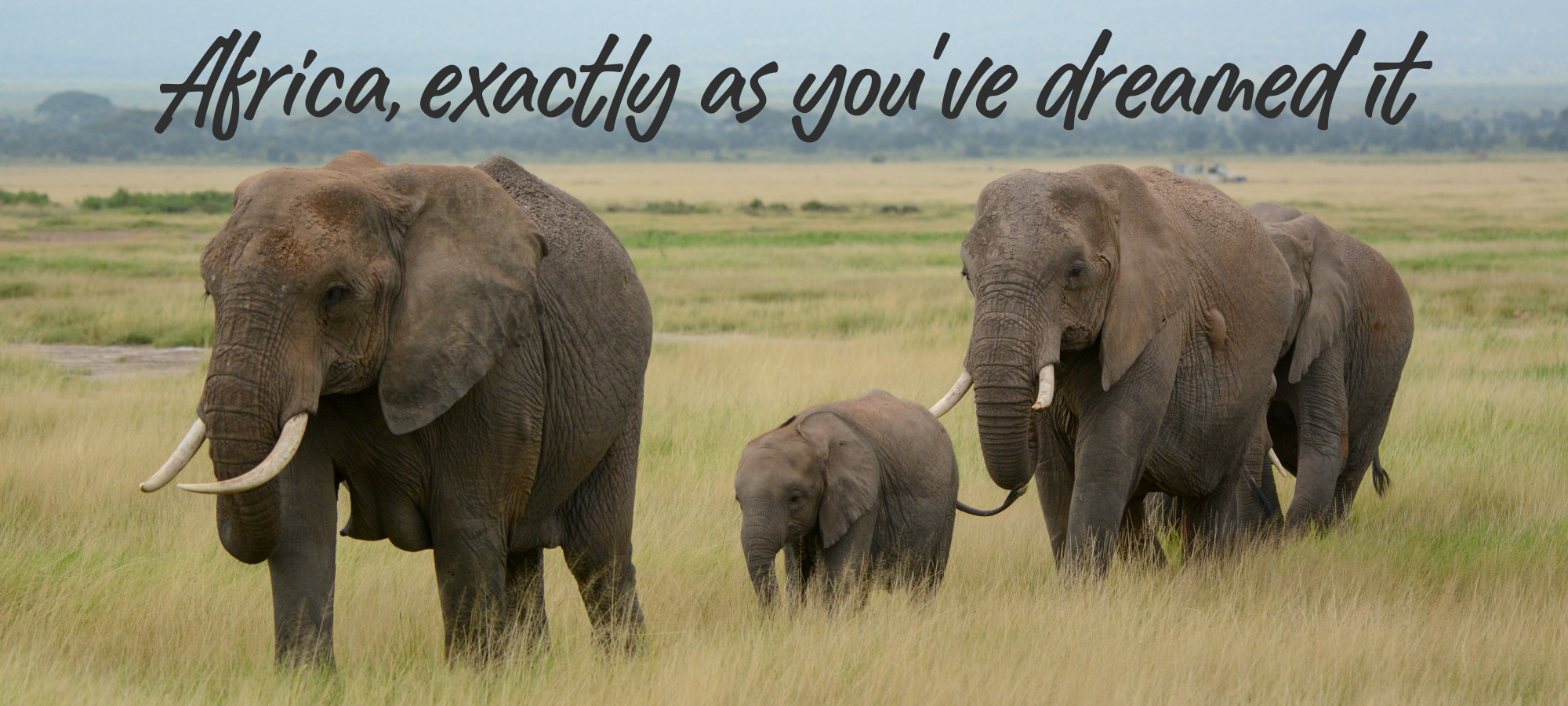

Combine Big Five wildlife in Kruger National Park with the spectacular scenery of South Africa’s Panorama Route.
Safari info:
- Starts and ends in Nelspruit.
- Duration: 4 days
- Accommodation type: Mid-range
- This tour can be booked as a private guided safari
Discover the best of South Africa on this unforgettable Kruger and Panorama Route Safari, combining world-class Big Five game viewing with some of the country’s most spectacular landscapes. Perfect for first-time visitors and seasoned wildlife enthusiasts alike, this carefully designed journey takes you through the iconic Kruger National Park before exploring the breathtaking Panorama Route in Mpumalanga.
Enjoy expertly guided game drives in the renowned Skukuza region, where the wildlife-rich Sabie River attracts elephants, buffalo, lions, leopards, African Wild Dogs, and an incredible diversity of birds.
Beyond the safari, experience the dramatic beauty of the Panorama Route as you visit iconic landmarks including God’s Window, Bourke’s Luck Potholes, the Three Rondavels, and the magnificent Blyde River Canyon. Combining exceptional wildlife encounters with unforgettable scenery, this safari showcases two of South Africa’s most celebrated destinations in a single journey.


Why this safari – Trip Highlights:
Kruger National Park: South Africa’s flagship safari destination, renowned for its exceptional wildlife, birdlife and unforgettable Big Five game viewing.
God’s Window: A spectacular escarpment viewpoint with sweeping panoramas across the forested Lowveld and distant mountains.
Blyde River Canyon: One of the world’s largest green canyons, celebrated for its dramatic cliffs, lush vegetation and breathtaking scenery.
Three Rondavels: Iconic rock formations rising above the canyon, creating one of South Africa’s most photographed landscapes.
Bourke’s Luck Potholes: Remarkable natural rock formations sculpted by centuries of swirling water at the confluence of two rivers.
Top Mammals:
African Elephant, Lion, Leopard, African Buffalo, African Wild Dog, Spotted Hyena, Hippopotamus, Plains Zebra, Giraffe, Greater Kudu
Top birds:
Lilac-breasted Roller, Southern Ground Hornbill, Bateleur, Saddle-billed Stork, Giant Kingfisher, Malachite Kingfisher, Pied Kingfisher, Southern Red-billed Hornbill, Grey-headed Bushshrike, White-backed Vulture


Day to day summary
| Day 1 | KMIA to Kruger National Park |
| Day 2-3 | Skukuza area |
| Day 4 | Panorama Route |
| Day 5-6 | Departure |
Thank you for your enquiry.
Day to Day Itinerary
DAY 1: Kruger Mpumalanga International Airport (Nelspruit) to Kruger National Park – Your safari begins with a warm welcome at Kruger Mpumalanga International Airport before travelling along the scenic Lowveld into the world-renowned Kruger National Park, South Africa’s premier wildlife destination. Entering through the park gates marks the start of your first game drive, following the route to Skukuza Rest Camp through a landscape of open savanna, riverine woodland and mixed bushveld that supports an exceptional diversity of wildlife.
Large herds of Impala, Plains Zebra and Blue Wildebeest are often among the first mammals encountered, while the surrounding trees and grasslands offer outstanding birdwatching opportunities. Keep watch for colourful species including Lilac-breasted Roller, Southern Red-billed Hornbill, Crested Barbet, White-fronted Bee-eater, Arrow-marked Babbler and Brown-hooded Kingfisher. The skies may reveal impressive raptors such as Bateleur, Tawny Eagle and White-backed Vulture soaring overhead.
Arrive at Skukuza Rest Camp during the afternoon, perfectly positioned on the banks of the Sabie River in one of Kruger’s most productive wildlife areas. As darkness falls, an optional guided night drive offers the chance to experience a different side of the African bush. Search for elusive nocturnal wildlife, including White-tailed Mongoose, Large-spotted Genet, Small-spotted Genet and Porcupine, while predators such as Leopard and Lion may also be encountered. Nocturnal birds, including owls and nightjars, add another exciting dimension to this unforgettable introduction to one of Africa’s greatest safari destinations.
DAY 2:
Skukuza area – Spend a full day exploring the renowned Skukuza region, following the Sabie River through one of Kruger National Park’s richest wildlife habitats. This scenic route winds through riverine forest, open grasslands and mixed woodland, creating ideal conditions for exceptional game viewing and birdwatching throughout the day. A leisurely lunch is enjoyed at one of Kruger’s picturesque picnic sites or rest camps before continuing the safari.
The Sabie River is famous for its remarkable concentration of wildlife. Elephant, African Buffalo, Hippopotamus, Giraffe, Greater Kudu, Nyala and Bushbuck are regularly encountered along the route, while Lion and Leopard are always possible. This area is also one of the park’s most reliable locations for Spotted Hyena and the endangered African Wild Dog.
The river and its surrounding wetlands attract an impressive variety of birdlife. Look for Goliath Heron, Little Heron, Great Egret, Saddle-billed Stork and Hamerkop, Giant Kingfisher, Malachite Kingfisher and Pied Kingfisher along the water’s edge, while the surrounding woodland provides opportunities to find Southern Ground Hornbill, Grey-headed Bushshrike, Orange-breasted Bushshrike, and Green Woodhoopoe. Every bend in the Sabie River offers another opportunity to experience the extraordinary biodiversity that makes this one of Africa’s finest safari destinations.
DAY 3:
Panorama Route – After an early departure from Kruger National Park, the journey continues along South Africa’s celebrated Panorama Route, one of the country’s most scenic drives. Climbing from the Lowveld into the escarpment, the route reveals dramatic mountain landscapes, deep valleys and sweeping viewpoints that showcase the natural beauty of Mpumalanga.
The first highlight is God’s Window, renowned for its breathtaking views across the forested escarpment and the Lowveld below. From here, continue to the remarkable Bourke’s Luck Potholes, where centuries of swirling water have sculpted striking cylindrical rock formations at the meeting point of the Blyde and Treur Rivers. The journey then leads to the iconic Three Rondavels, whose towering rock formations overlook the vast Blyde River Canyon, one of the largest green canyons in the world. A leisurely lunch is enjoyed en route before completing the scenic drive to Hazyview for an overnight stay, ending a day filled with some of South Africa’s most spectacular natural wonders.
DAY 4:
Kruger National Park to Mlilwane Wildlife Sanctuary – After breakfast, depart Hazyview for the short and scenic drive through the subtropical Lowveld to Kruger Mpumalanga International Airport in Nelspruit. As your Kruger National Park and Panorama Route adventure comes to an end, enjoy a final opportunity to reflect on the remarkable wildlife encounters, world-class birdwatching and spectacular landscapes experienced over the past few days. Upon arrival at the airport, you will be assisted with your onward flight arrangements, marking the conclusion of an unforgettable South African safari.

You might also like:
“We’ve just finished a 15 day Namibia / Botswana Safari, ending with a visit to Victoria Falls and it was amazing!”
“All in all, we cannot stress how wonderful Nature Travel has been for us, and we cannot recommend them enough.”
MORE REVIEWS
The best time to experience the Serengeti Migration is in April during the calving season in the southern Serengeti and Ndutu region. This is when thousands of wildebeest, zebras, and gazelles give birth, attracting predators like lions, cheetahs, and hyenas for unforgettable wildlife encounters.
Highlights include the Big Five – Lion, Leopard, Rhinoceros, African Elephant, and Buffalo – along with Cheetah, Giraffe, Zebra, Wildebeest, Hyena, Topi, Hippopotamus, Defassa Waterbuck, and Hartebeest. Birdwatchers can spot Green Wood-hoopoe, Brubru, Superb Starling, Abdim’s Stork, Magpie Shrike, and Red-and-Yellow Barbet.
This is an off-the-beaten-track safari, offering intimate wildlife experiences without the crowds. Explore the southern and central Serengeti, Lake Masek, and Ngorongoro Crater while witnessing predator-prey interactions during the calving season, all while staying in comfortable lodges.